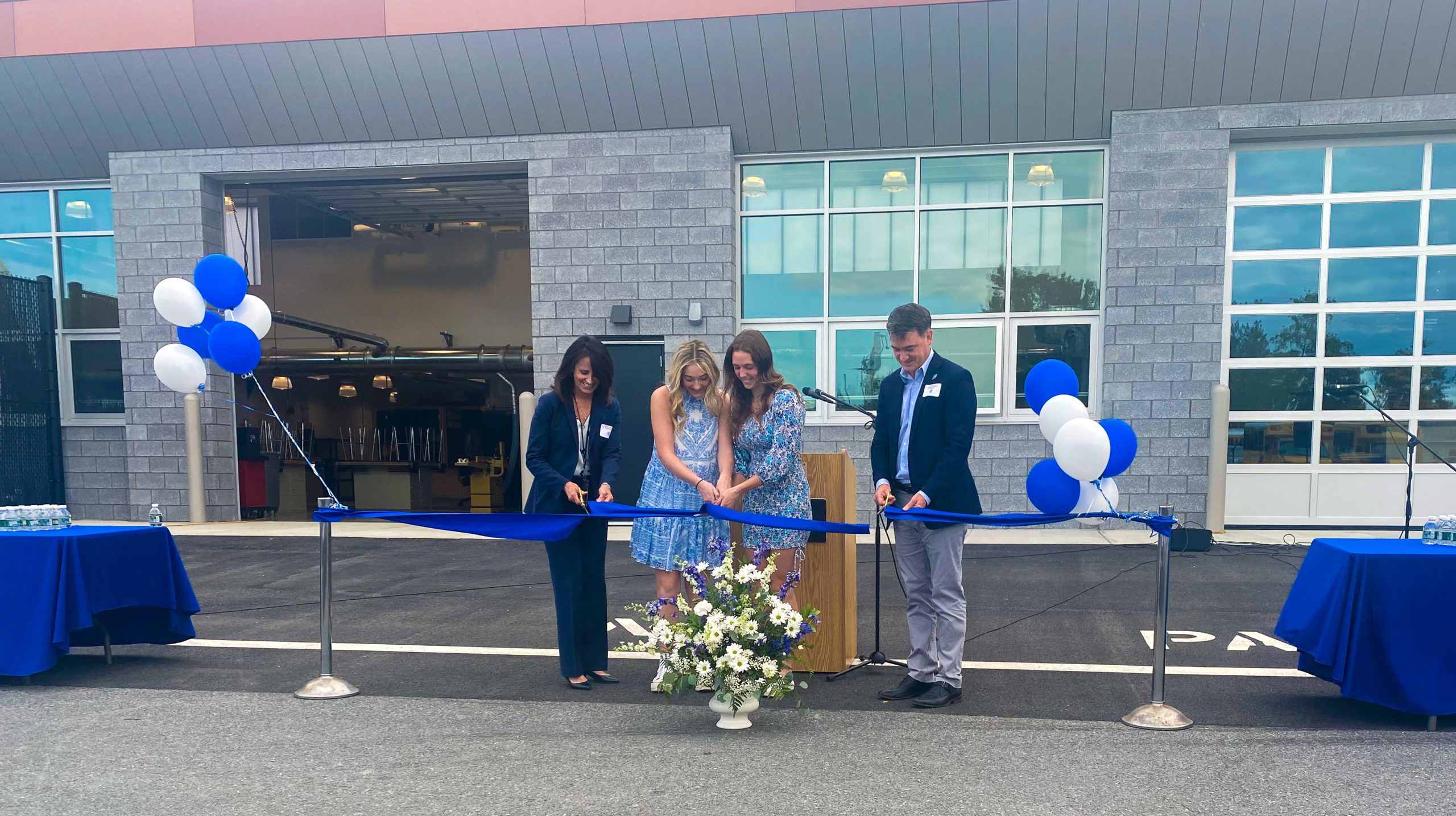
The Capital Project Improvement Proposal was approved by district voters on December 12, 2018. The multi-year, multi-phase project was completed in Fall 2022, and was celebrated with a Showcase and Ribbon Cutting in September to spotlight the numerous and improvements to the district. The project enhanced academic programming, athletics, health and safety, and infrastructure.
At the High School, the guidance suite was one of the first projects completed, which was transformed into a more inviting and welcoming space for ICC students to learn and grow – to complete course selection each spring and to plan for their futures after graduation. The high school auditorium, a heavily utilized space, underwent several renovations, including the installation of a new stage floor, sound system and improved lighting.
From the High School’s rear exterior, you can get a glimpse into the district’s state-of-the-art STEAM (Science Technology Engineering Arts and Mathematics) Center, which was created to empower students to ask thought-provoking questions and for our teachers and students to collaborate using project-based learning that crosses each of the five disciplines. The center includes a Computer Assisted Design lab, automotive shop, metal shop and wood shop.
At the Middle School, the building’s wings, known as pods, were completely renovated from the ceilings down to the floors, resulting in stunning new learning spaces for all students. Security remains a top priority, and that was one of the reasons the design included enclosing the cafeteria, which included adding walls and doors, so that space can be 100 percent secure if needed.
ICC students, staff and the community are still so excited about our brand new Middle School gym, which was completely transformed. The former middle school gymnasium was gutted to make way for a new enlarged gymnasium to host athletic events and physical education classes. What was once a darker and more divided space is now a vibrant multipurpose enclosure.
In each school, the secure vestibules were upgraded, including installing shatter-resistant glass. A new road connecting all three schools has reduced student pick-up and drop-off times. The reconfiguration of the middle school parking lot separated buses from vehicle traffic, and helped alleviate congestion. Throughout the entire project, sustainability was always a focus. This included upgrading lighting, installing new solar panels between the Primary and Middle Schools, and converting two the boilers from oil to propane.
Capital Project Phase II Construction News and Updates
With the arrival of Summer 2020 came the official start of Phase II Construction on our Capital Improvement Project. Through approximately the next two years, there will be continuous progress and completion of the many components of Phase II. Now that construction is happening on an ongoing and consistent basis, there’s more to show you! This means we’ll be bringing you more frequent updates that you’ll find here as they happen, including videos and pictures of construction progress.
Phase II Construction Executive Summary Reports
Executive Summary Report, June 2020
Executive Summary Report, July 2020
Executive Summary Report, August 2020
Executive Summary Report, September 2020
Executive Summary Report, October 2020
Executive Summary Report, November 2020
Executive Summary Report, December 2020
Executive Summary Report, January 2021
Executive Summary Report, March 2021
Executive Summary Report, August 2021
Executive Summary Report, November 2021
Executive Summary Report, March 2022
Executive Summary Report, April 2022
Executive Summary Report, August 2022
To see all of our Pre-Phase II Construction Updates & News, visit our Capital Project News Archive page.
(August 2022): Video Showcases Completed Capital Project
Check out the video below to see all that was accomplished over the last few years.
On Sept. 16, we are inviting you all to a showcase to celebrate these amazing improvements and additions to our district. The showcase will kick-off with a ribbon cutting at 4:30 p.m., followed by student-led tours in the Middle and High Schools.
(November 24, 2021): Video Update on Capital Project Work
Work on our Capital Project is moving right along! Join Superintendent Suzanne Guntlow and Construction Manager Sarah Plitnick as they tour some of the areas currently under construction and recently completed.
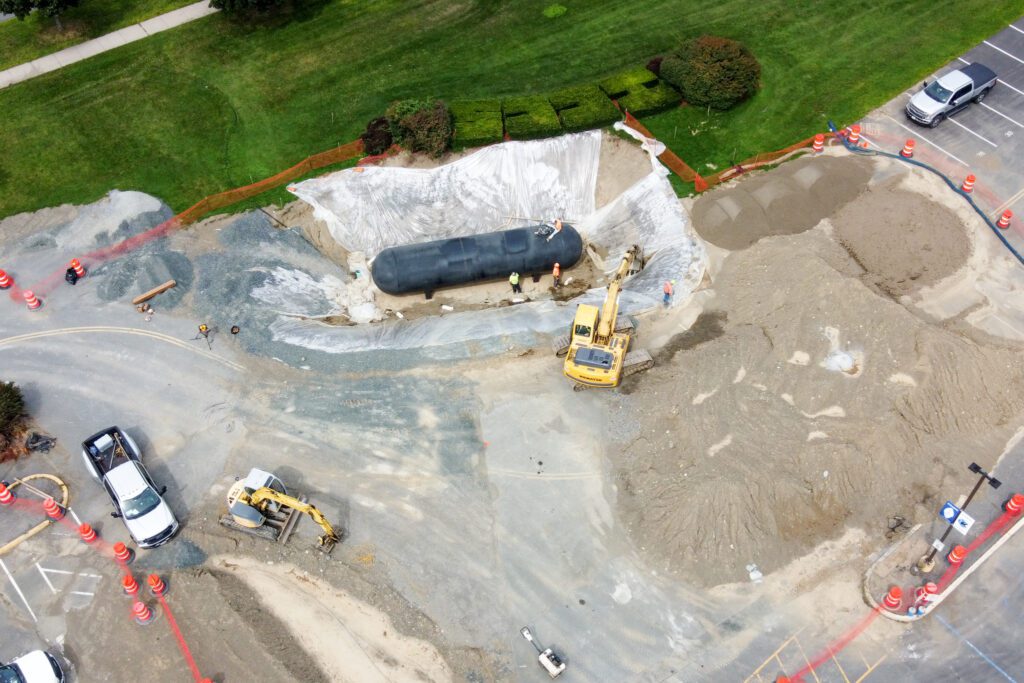
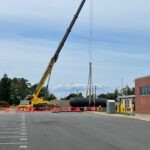
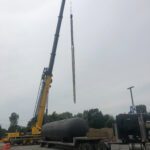
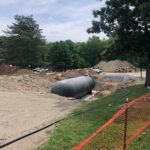
(August 4, 2021): New Propane Tank Installation at the High School and Middle School
(July 31, 2021): Video – Middle & High School Construction Update
Watch this video for a short update on the capital project progress at the Middle and High Schools – including a short tour of areas currently in progress with Superintendent Suzanne Guntlow and Turner Construction Manager Sarah Plitnick.
(April 12, 2021): VIDEO & PICTURES – Middle & High School Construction Update
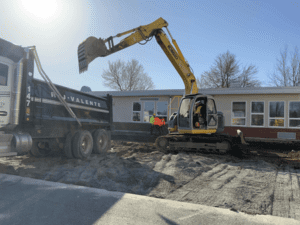
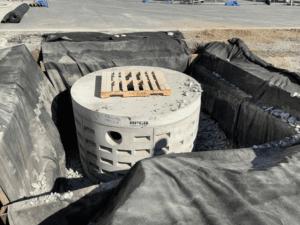
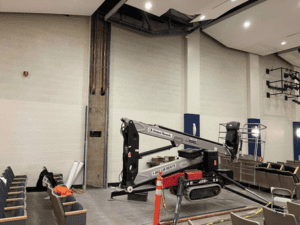
We invite you to check out the short video and pictures below for some of the latest Capital Improvement Project updates in the Middle and High School. In the video, District Superintendent Suzanne Guntlow and Sarah Plitnick from Turner Construction take you on a short walkthrough of the current construction areas in both buildings as of April 2021. You can also see the video here if the embedded one below has trouble loading.
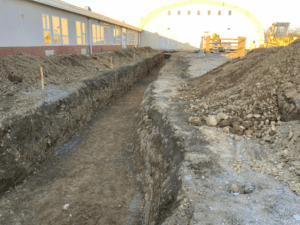
(March 11, 2021): PICTURES – More of the HS Science Wing & MS 300 Pod!
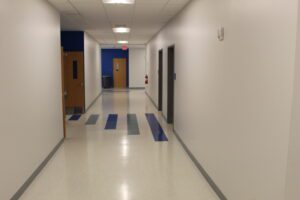
As an addendum to our board update we shared on March 4, enjoy some additional recent pictures of Phase II Construction progress in the High School Science Wing and the Middle School 300 Wing/Pod! Cannot wait for our students to use these new and improved spaces!
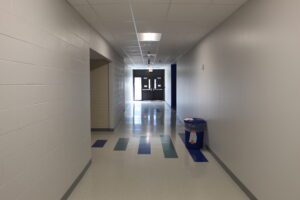
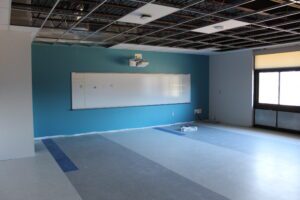
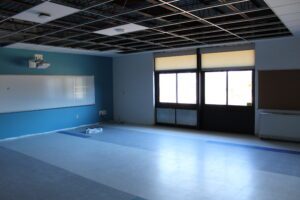
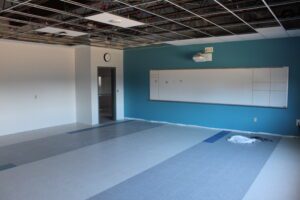
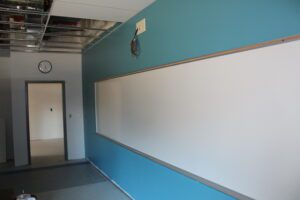
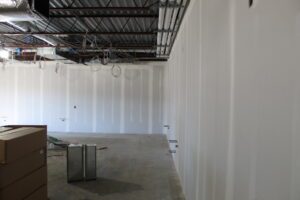
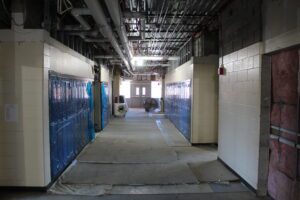
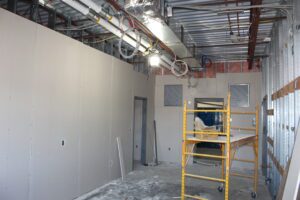
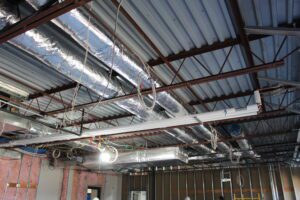
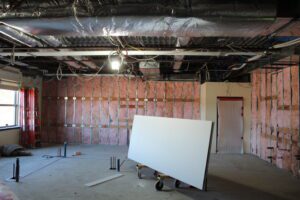
(March 4, 2021): PICTURES – Board Construction Update for March 2021
View the presentation below to see the most recent Phase II Construction updates shown to the Board of Education at their meeting on March 2, 2021. You will find some of the latest pictures and up-to-date construction phase timelines for the ongoing Capital Improvement Project including:
- Ongoing Construction in the HS Science Wing (Estimated completion on current work August 2021)
- Ongoing Construction in the HS Auditorium (Estimated completion on current work May 2021)
- Ongoing Construction in the MS 300 Wing/Pod (Estimated completion on current work April 2021)
Click here to see the March 2 Capital Project Presentation
(January 13, 2021): PICTURES & VIDEO – Board Construction Update for January 2021
View the presentation shown to the Board of Education at their January 12, 2021, meeting for pictures and video of the most recent Phase II Construction updates in our Capital Improvement Project. In it you will see:
- Current Ongoing Construction in the HS Science Wing
- Current Ongoing Construction in the MS 300 Wing/Pod
- Completed Construction in the MS 100 Wing/Pod
- Completed Construction in the HS Counseling & Guidance Suite
- Completed Construction in the HS Art Suite
Click here to see all the slides with pictures and videos (you will need to click links to watch these) from the January 12 board presentation. Please note, the presentation is a large file and the PDF may take a moment to open.
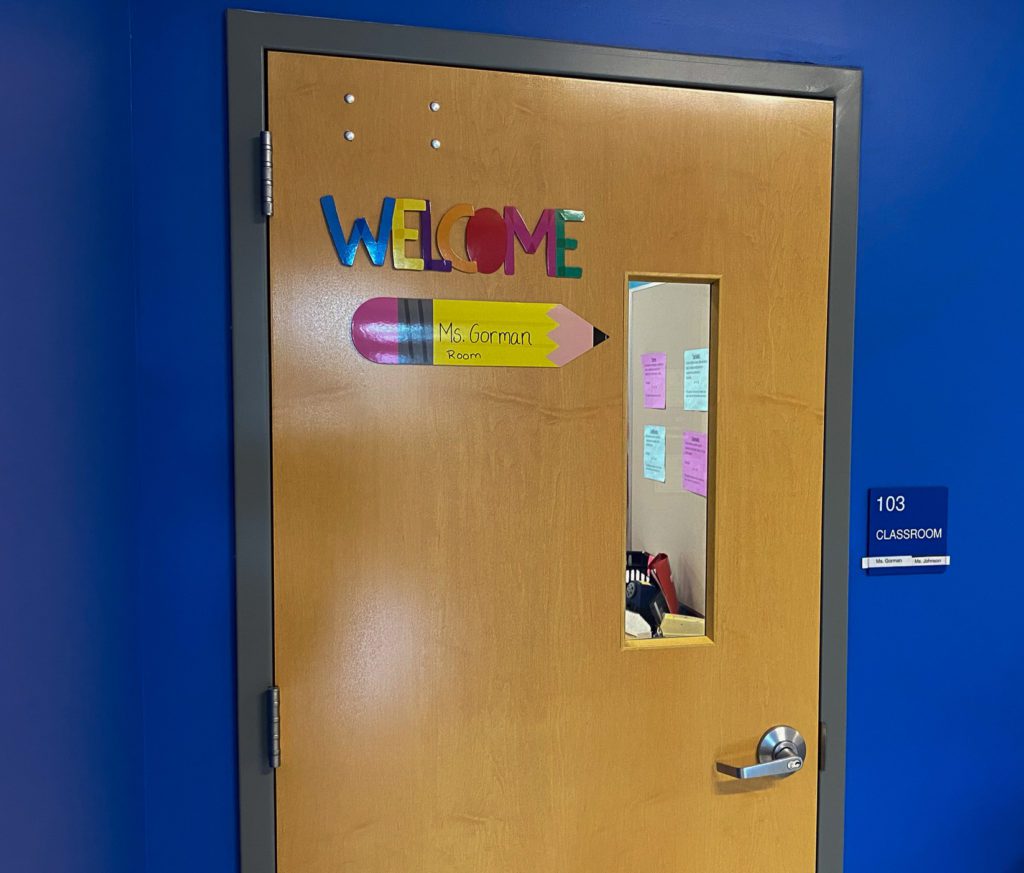
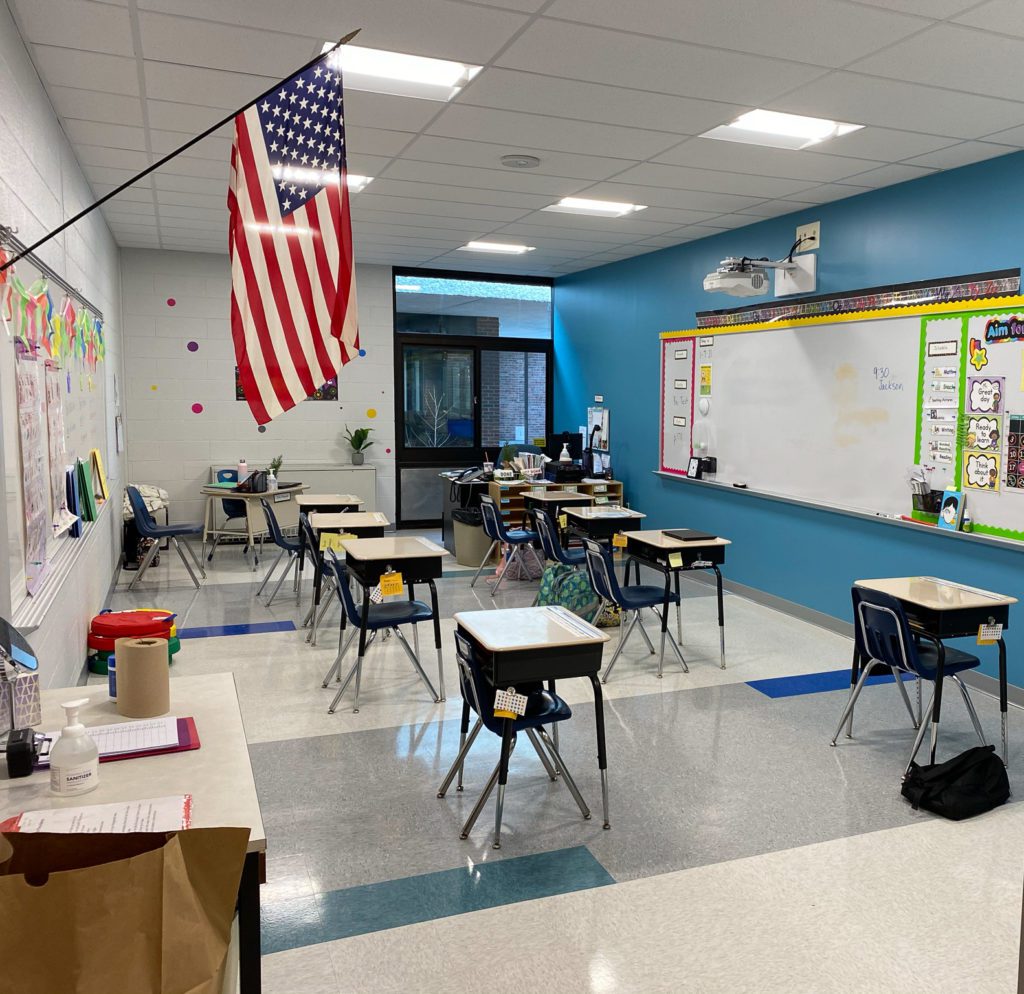
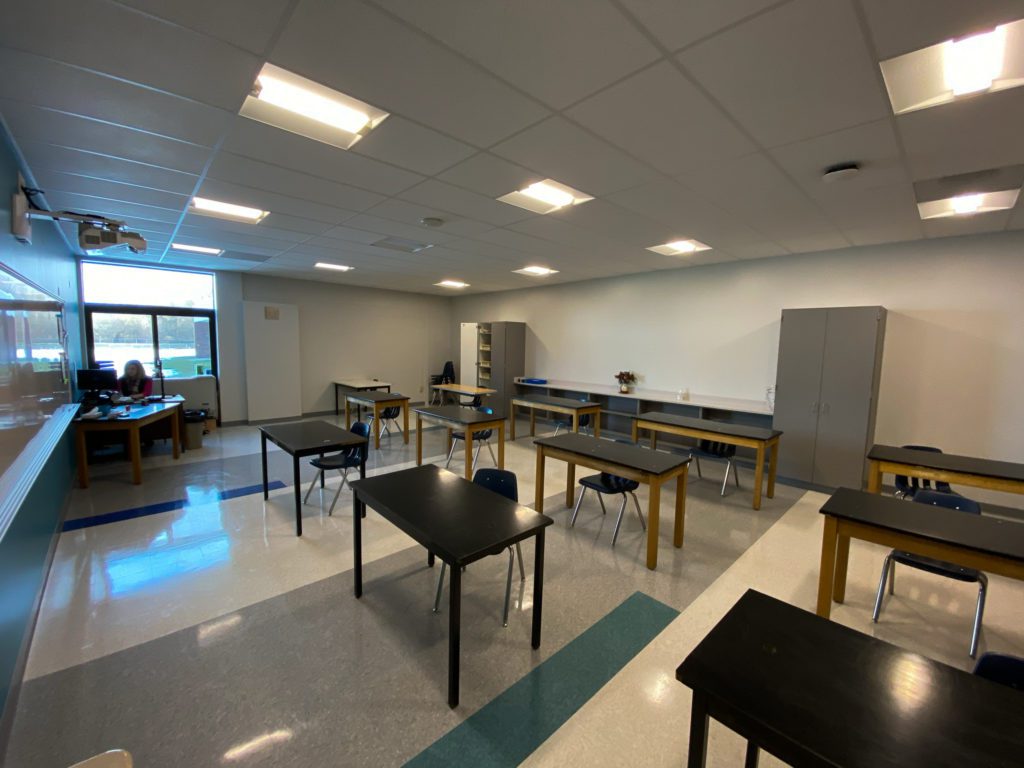
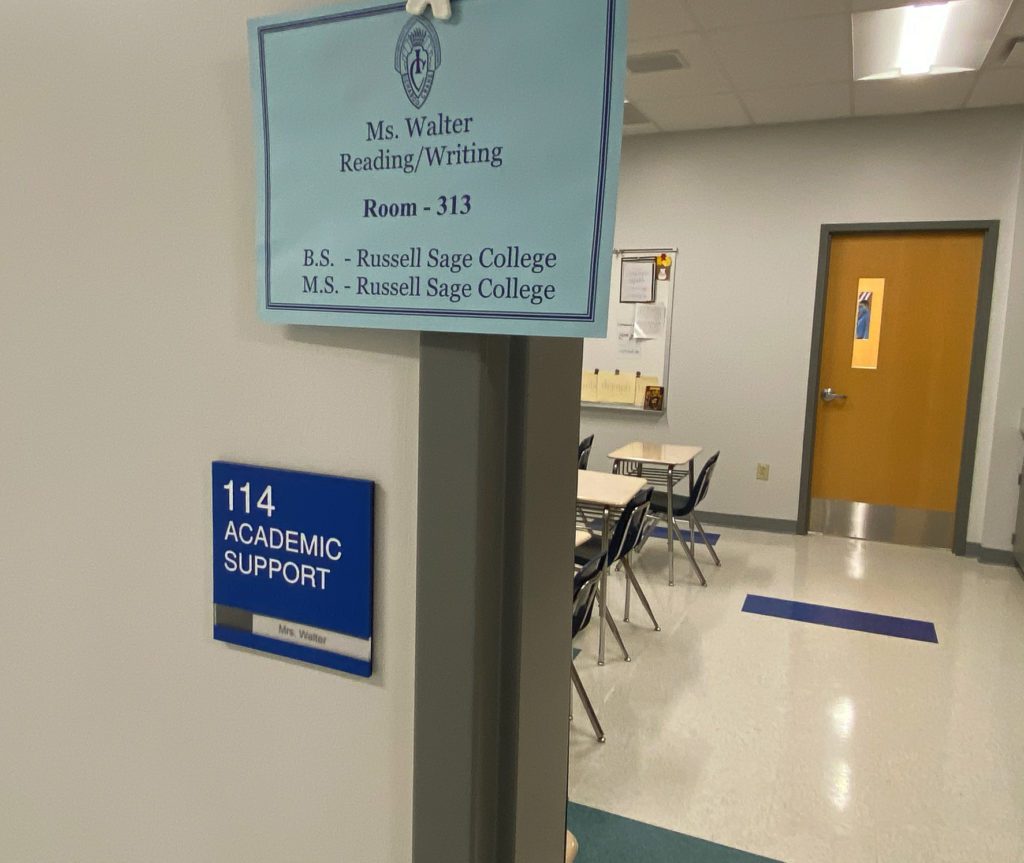
(January 7, 2021): PICTURES – The New Middle School 100 Pod!
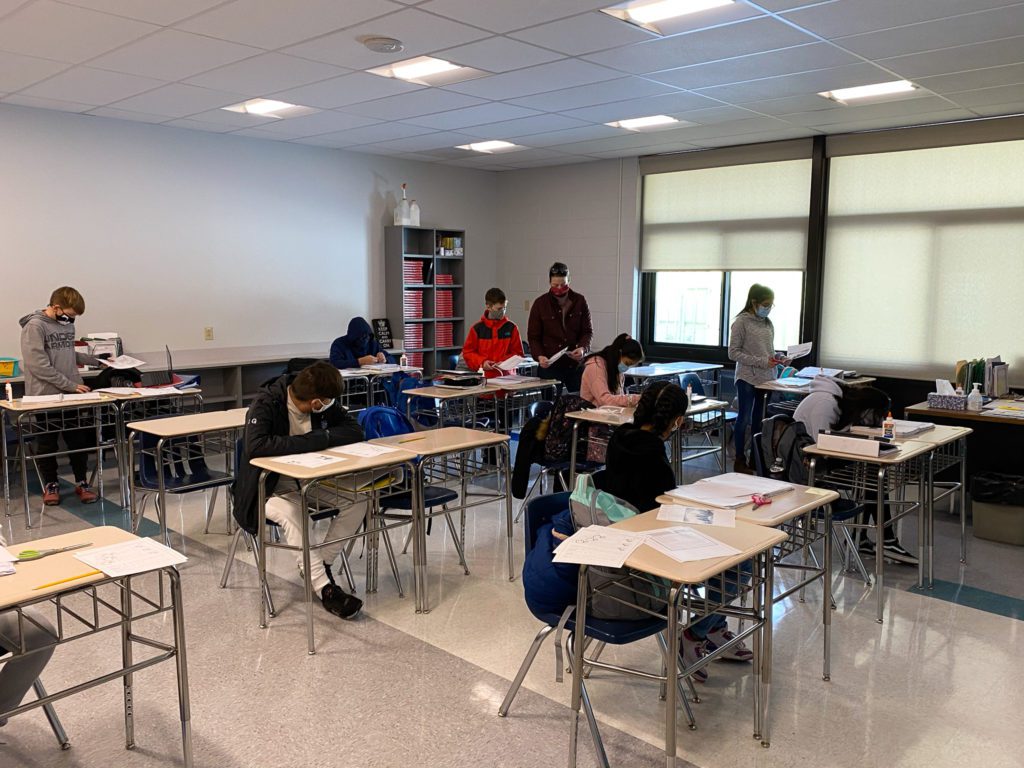
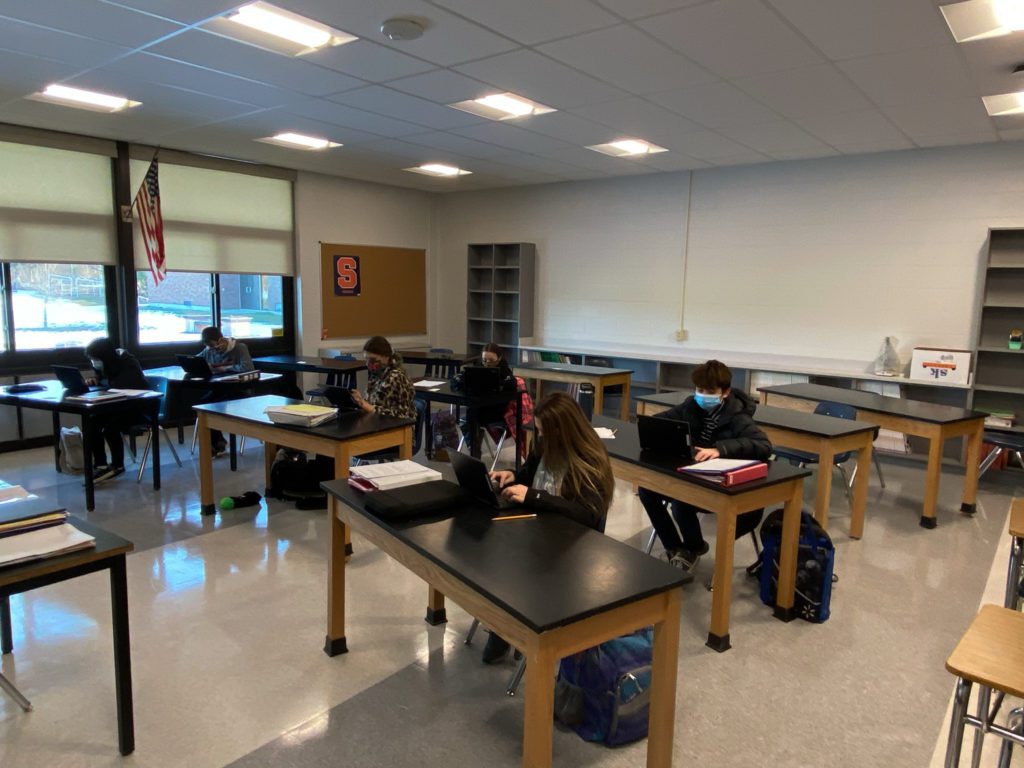
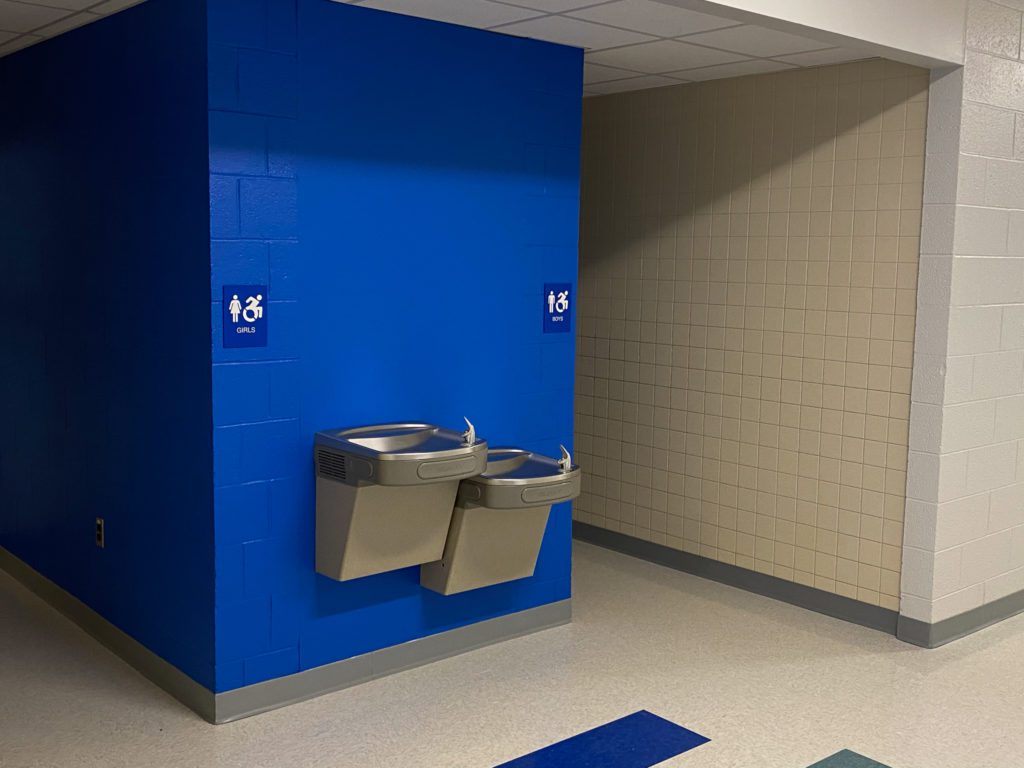
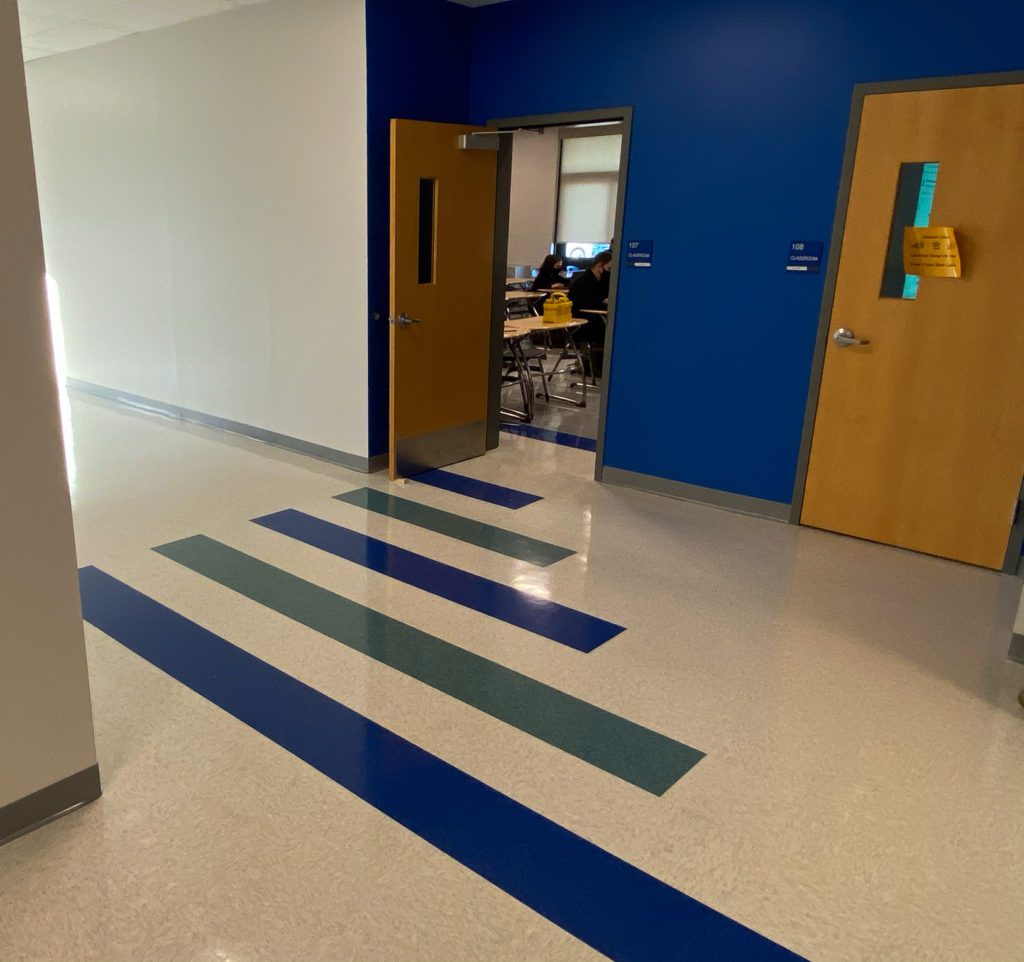
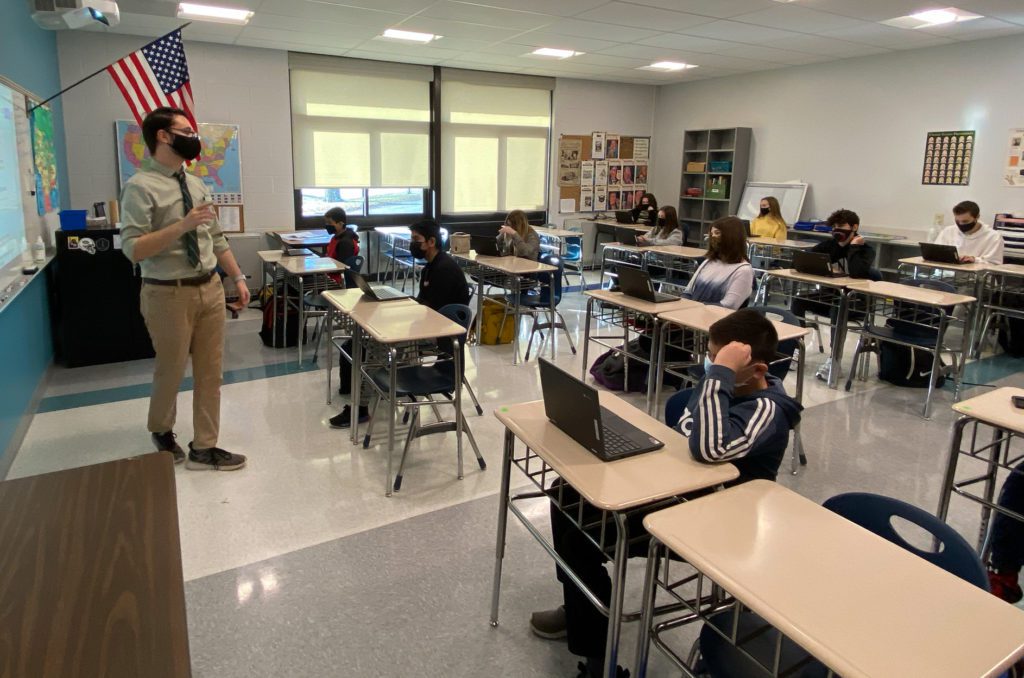
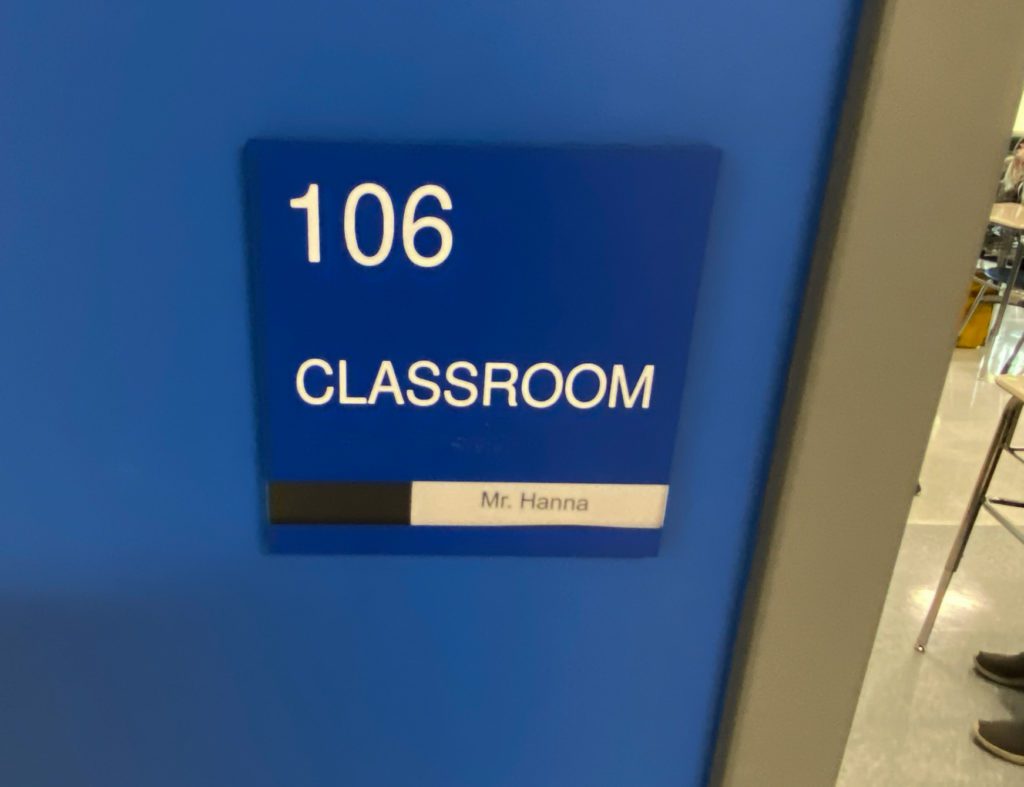
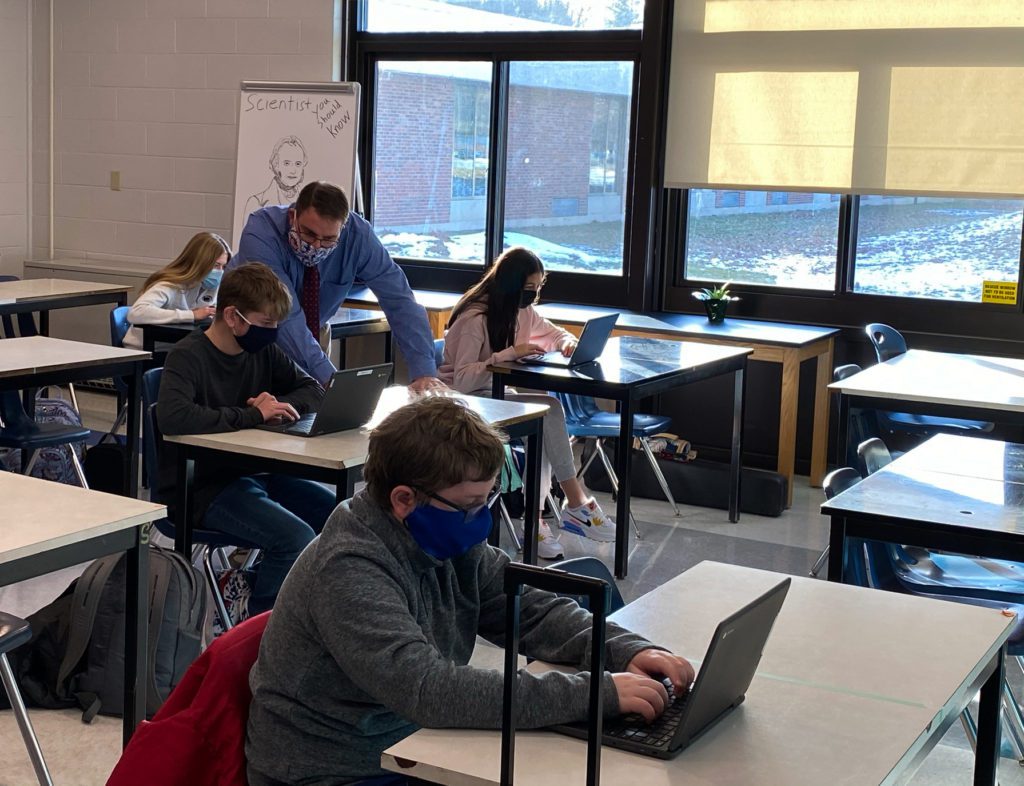
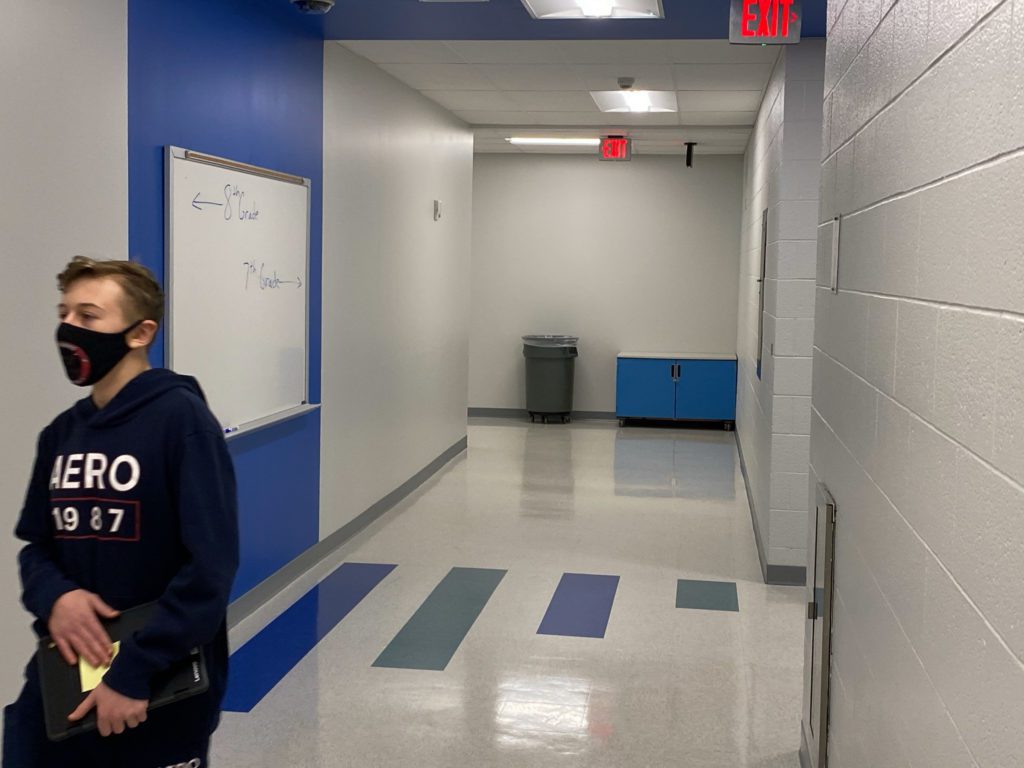
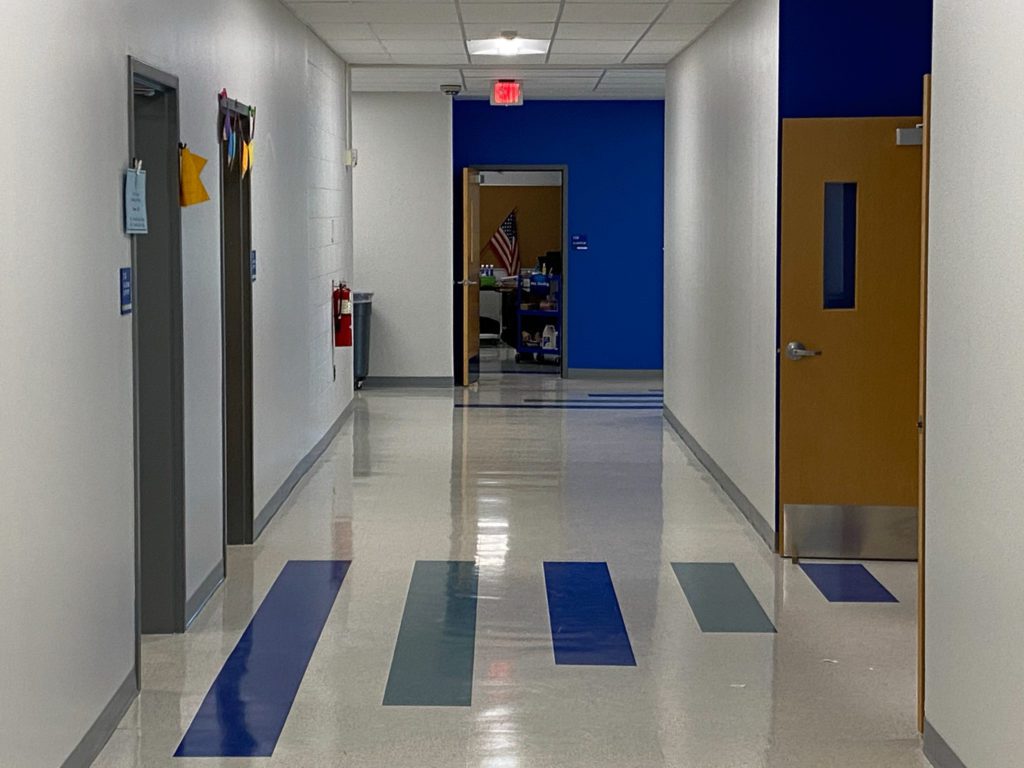
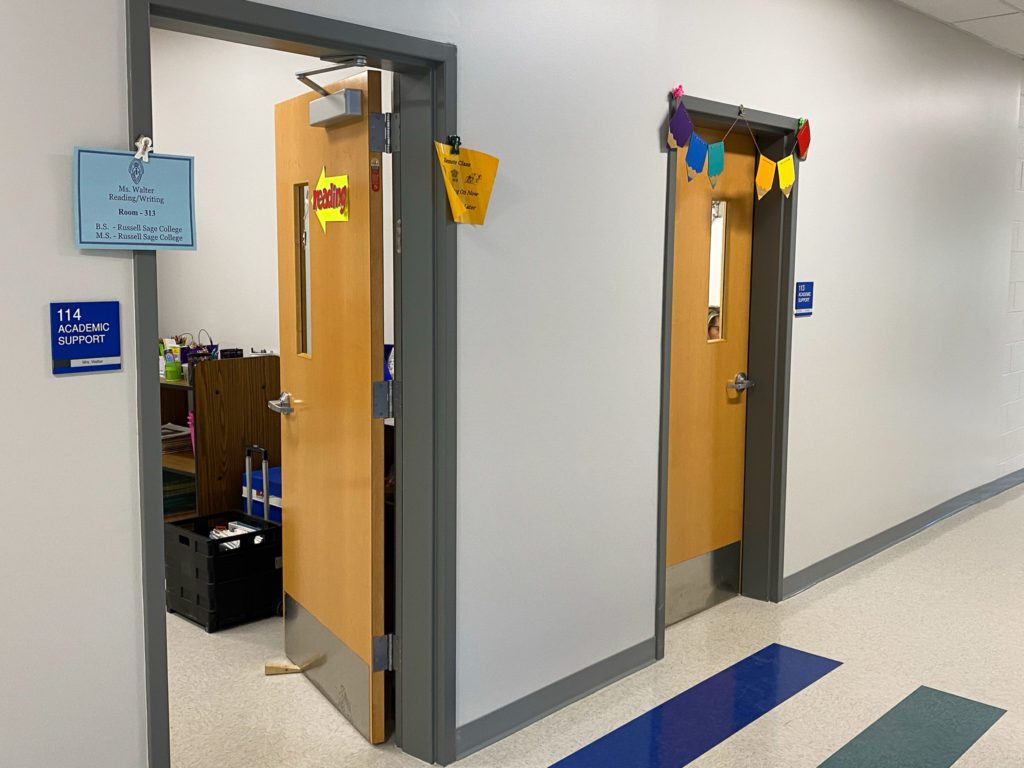
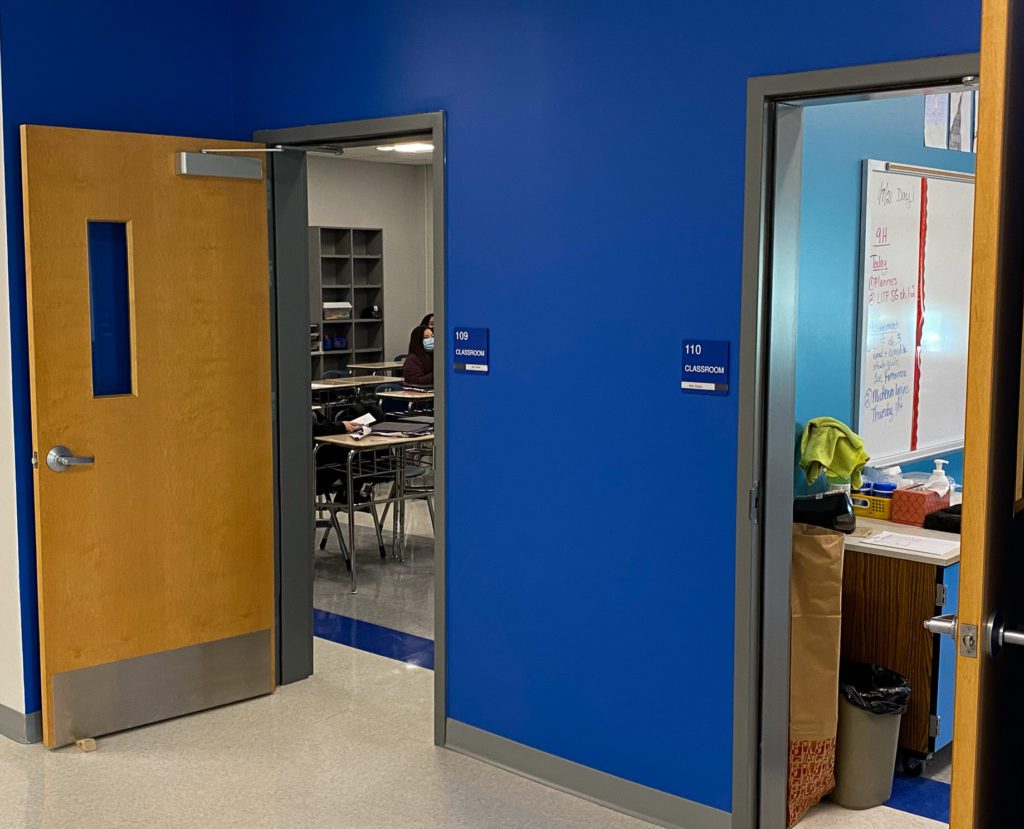
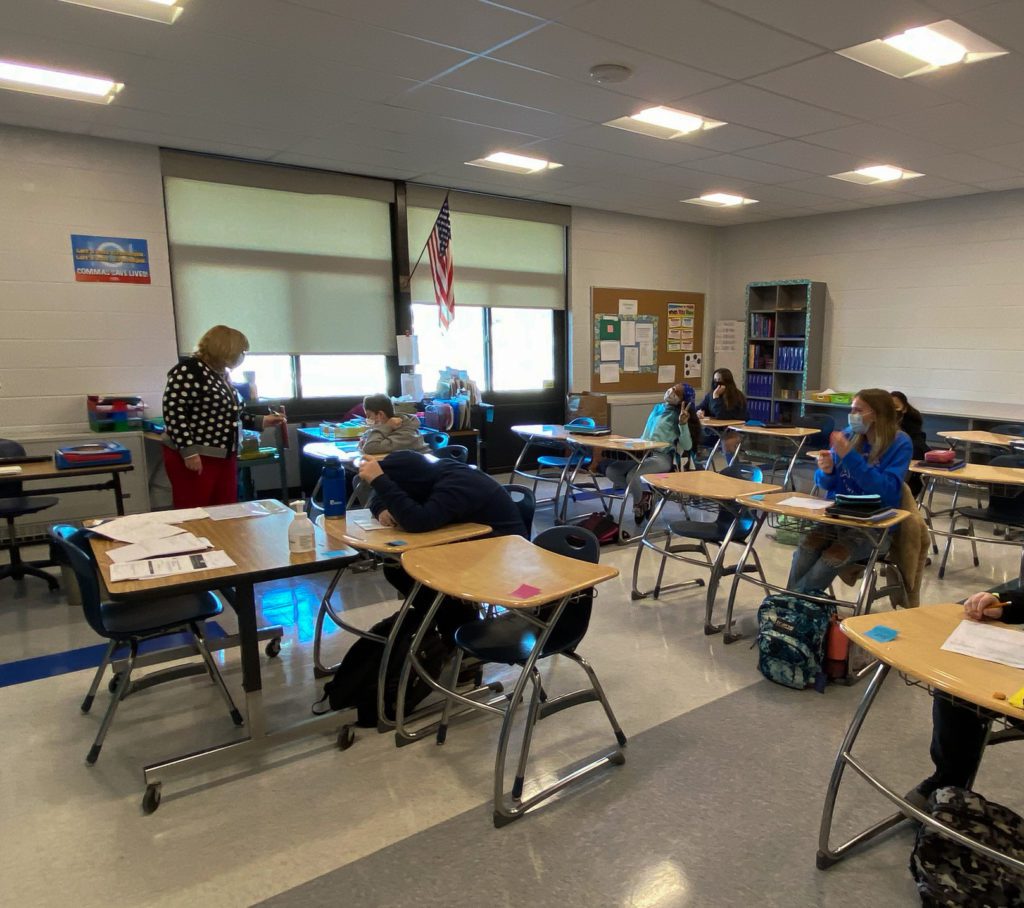
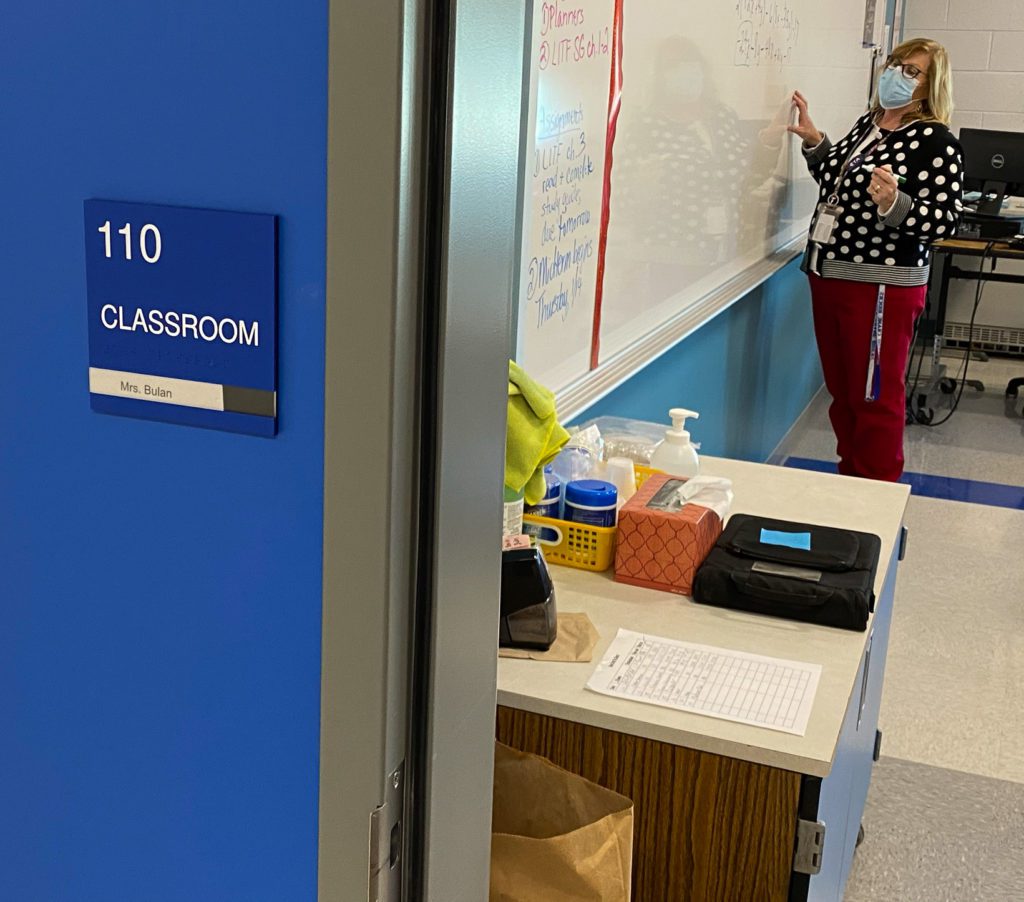
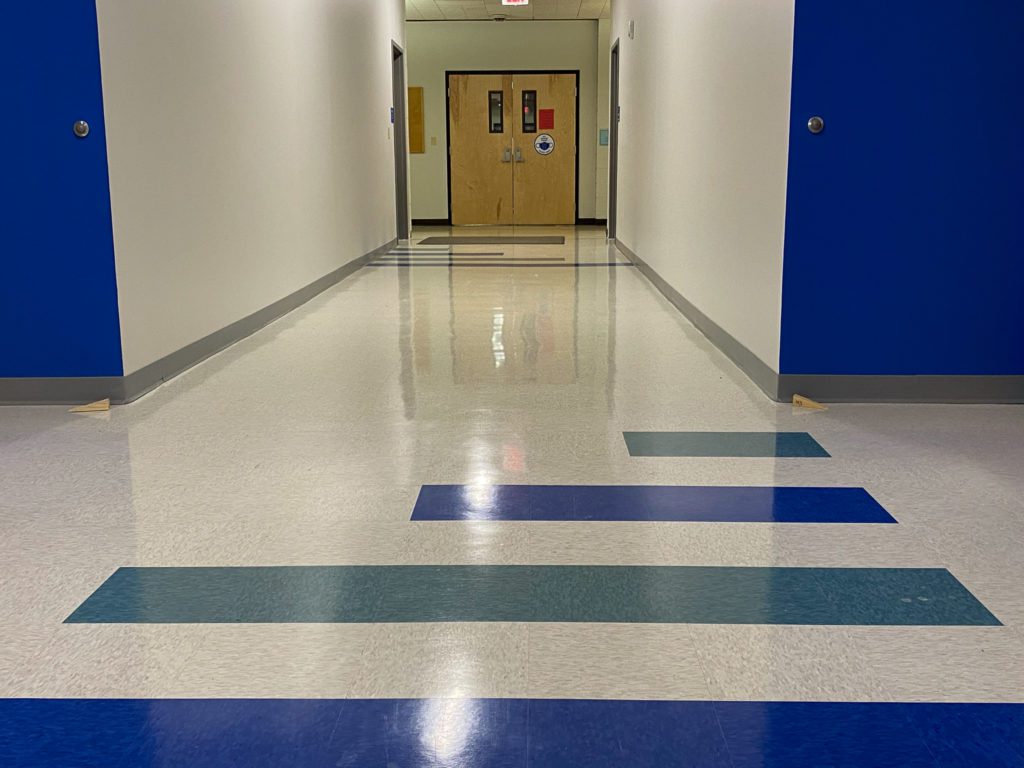
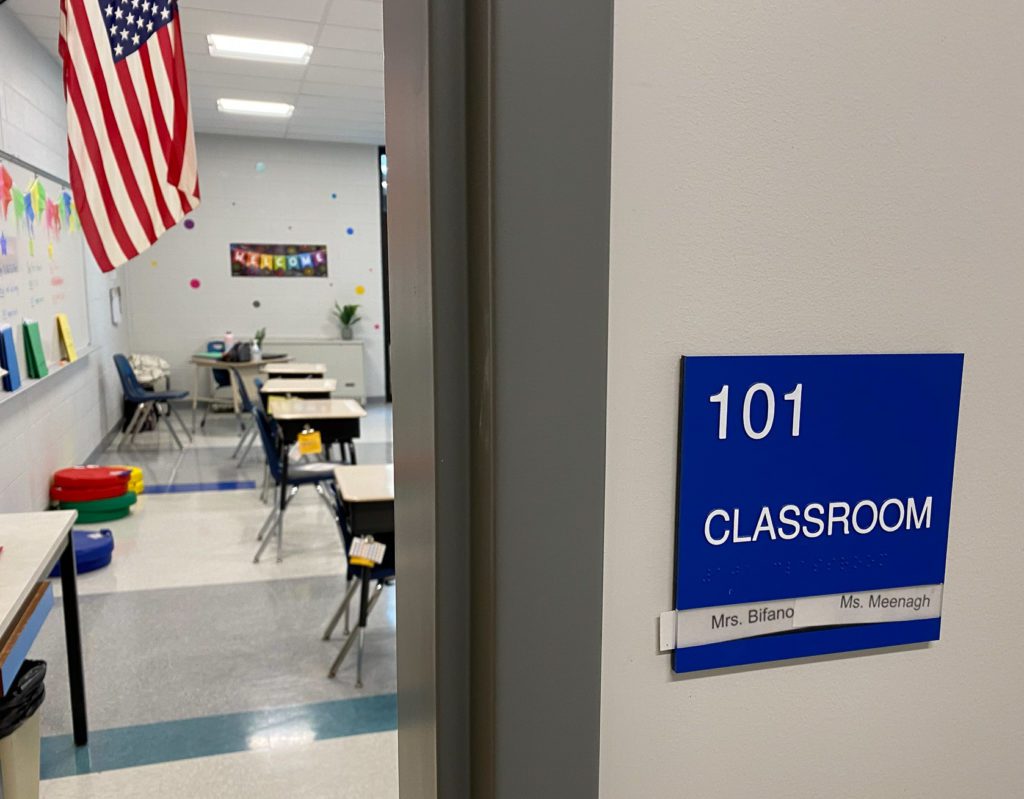
Shortly before the Holiday Recess, construction was completed on the brand new 100 Pod of the Middle School! With everyone back from break for the second half of the year, all the students and staff are now using this beautiful new wing of the school! We took a trip over to the 100 Pod during classes today to check out the completed space, scroll through some pictures below.
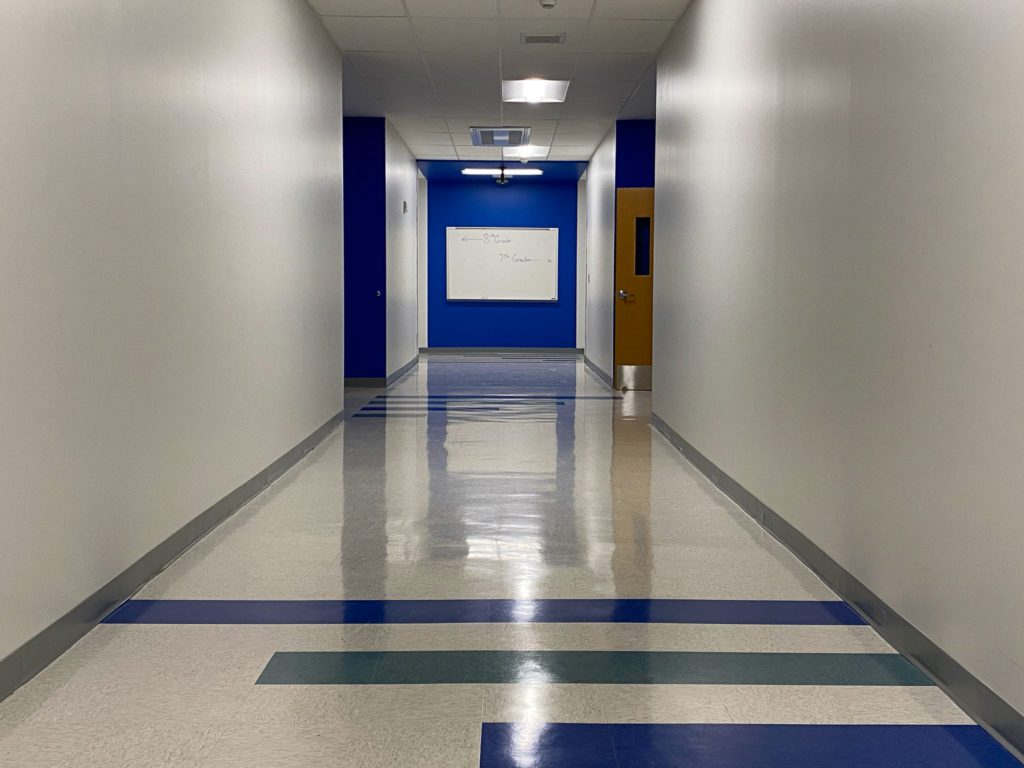
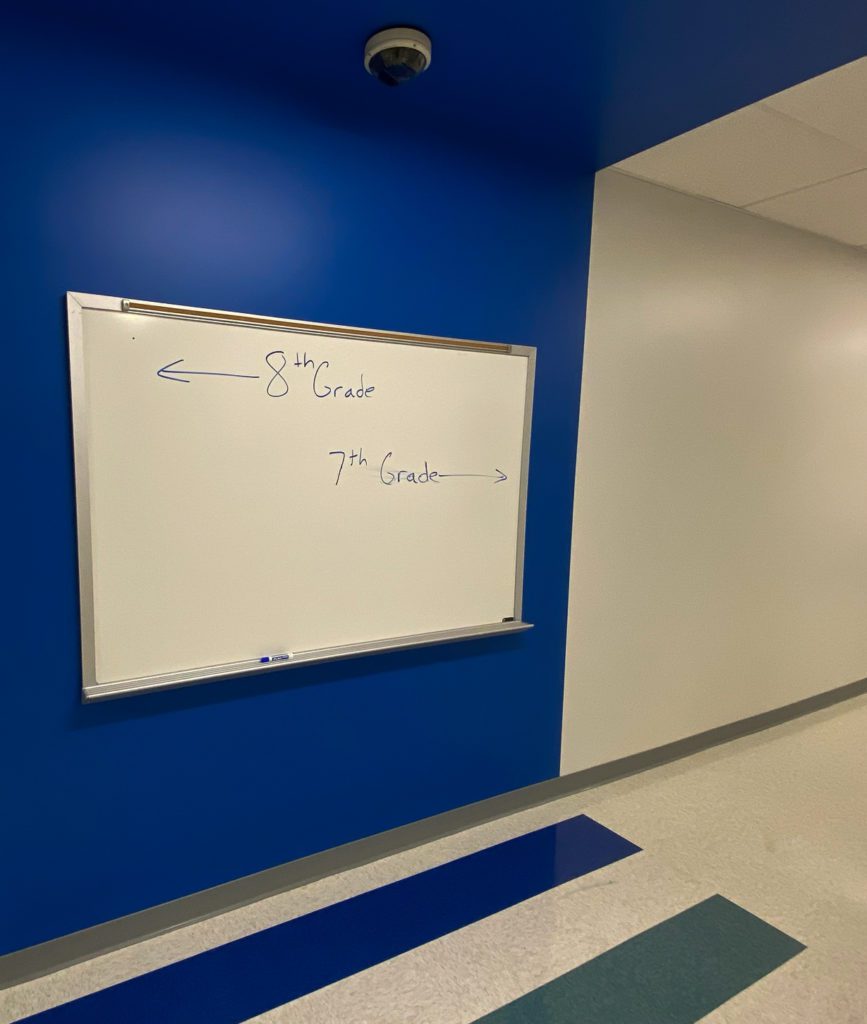
(December 7, 2020): VIDEO – Introducing the New High School Art Suite!
The brand new Ichabod Crane High School Art Suite is officially open for business! This beautiful space was completed right before the Thanksgiving weekend and our HS Art teachers – Ms. Dwileski, Ms. Addison & Ms. Abrams – moved in shortly after. Once they had time to settle into their new rooms, we took a trip down to explore the new space.
Check out a short video walkthrough of the new High School Art Suite below. You’ll see all three new art classrooms (with some students hard at work in a few), plus the new darkroom & kiln rooms!
(December 4, 2020): Presentation – Board of Education Capital Project Update
The presentation below was shown to the Ichabod Crane Board of Education at their regularly scheduled meeting on December 1, 2020.
Capital Project Update for the Board of Education (December 1, 2020)
(November 23, 2020): VIDEO – Introducing the New High School Counseling & Career Center!
We’re so excited to announce that our new and improved Ichabod Crane High School Counseling & Career Center is complete! Our HS Counseling Staff has moved in and will be welcoming students to meet with them there very soon.
Shortly before moving in, we asked one of our Counselors, (Ms. DeAloe) why she and the rest of the staff were excited about their new space. Now that they’re settled, we quickly popped in to say hello and check out the new HS Counseling & Career Center.
Check out our visit in the video below and keep an eye out for a new one in the near future when we visit the new High School Art Suite!
(October 15, 2020): Video & Pictures: October Construction Update!
As of mid-October, everything is running smoothly and on schedule in both the Middle School and the High School! Our Project Managers – Turner Construction – and our various contractors have been working hard to keep us on schedule.
We are on track for the new and improved Middle School 100 Pod to welcome back students & staff sometime in mid-December 2020. Over in the High School, our refurbished Guidance Suite and Art Suite are on track for completion in early November and mid-December, respectively. A little further down you can find some of the latest pictures from these spaces.
Last but not least, watch our latest Capital Project video update we made last week with a short walkthrough of the near complete MS and HS spaces with District Superintendent, Suzanne Guntlow, and Turner Construction Assistant Engineer, Sarah Plitnick.
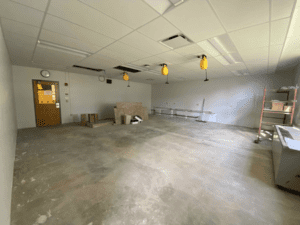
(September 21, 2020): Pictures: Short September Construction Update!
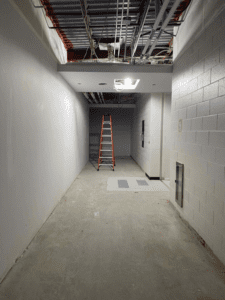
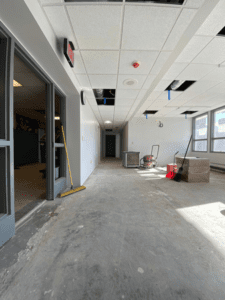
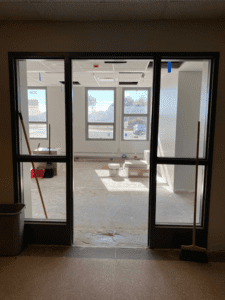
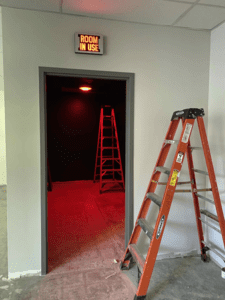
As we near the end of September, enjoy a small collection of recent photos from Phase II Construction in the Middle and High School. Students have returned for the school year, but thanks to the safety plan we created with our Project Manager, Turner Construction, site work has continued moving right along in both buildings without disrupting our student’s daily routines.
Check back soon for our next site visit video update in the near future!
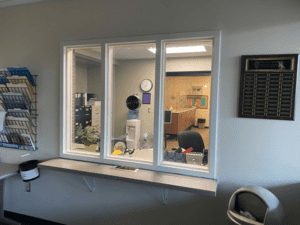
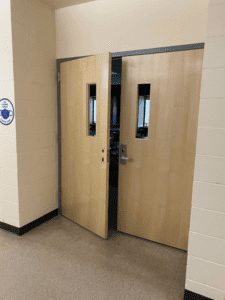
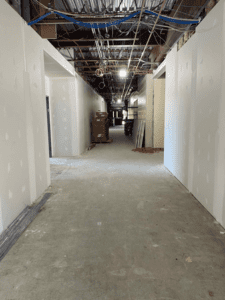
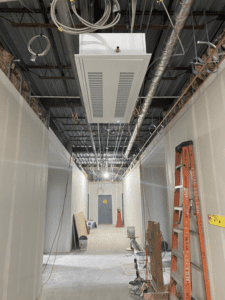
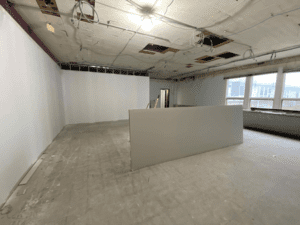
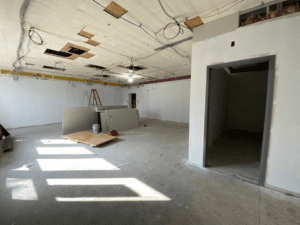
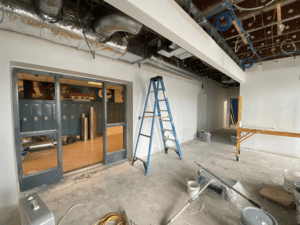
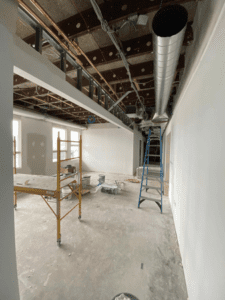
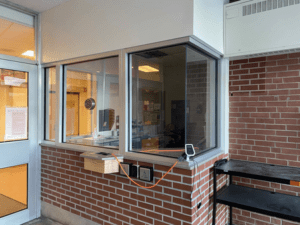
(August 24, 2020): Video & Pictures: August Construction Updates
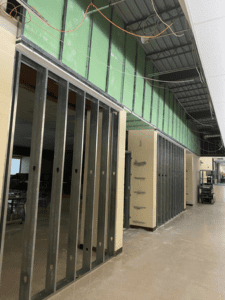
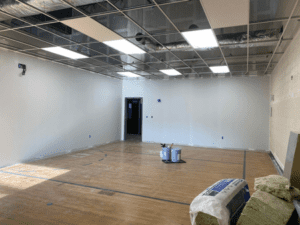
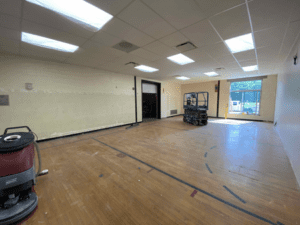
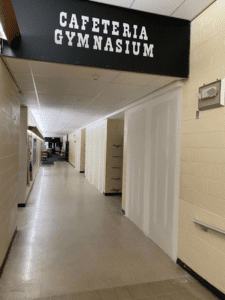
A lot has happened in Phase II Construction since our last Capital Improvement Project video update in July! Join Ichabod Crane Superintendent, Suzanne Guntlow, and Christian Davila & Sarah Plitnick from Turner Construction as they walk you through some of the progress in the video below.
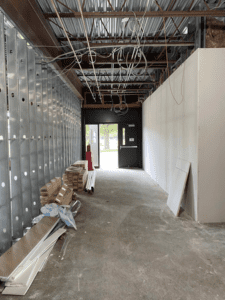
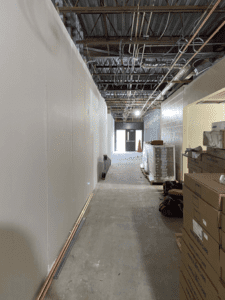
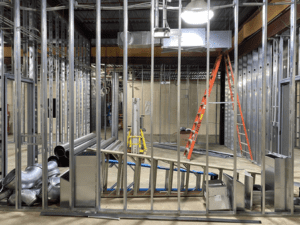
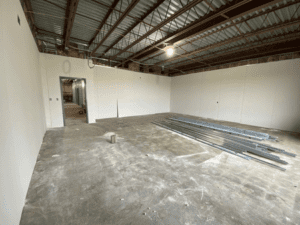
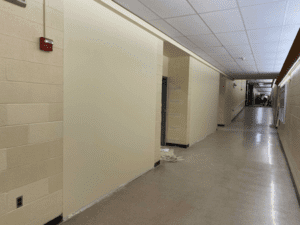
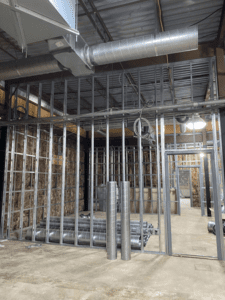
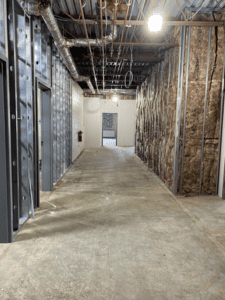
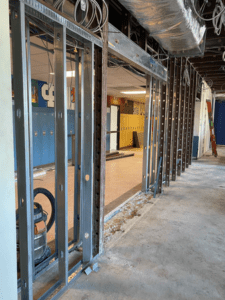
You can also look through a number of pictures arranged in chronological order that show the development of Phase II progress at the Middle and High School through the month of August.
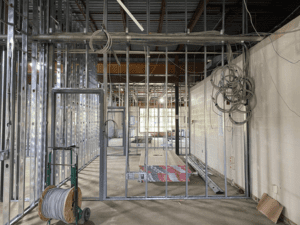
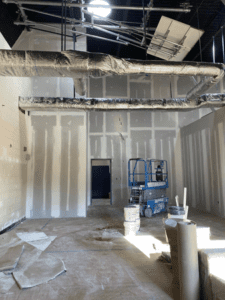
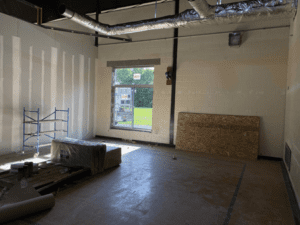
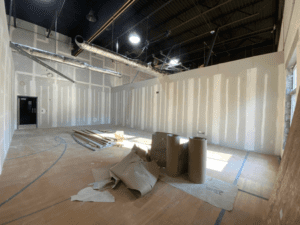
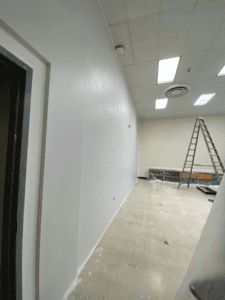
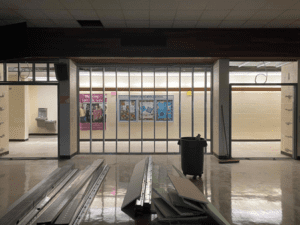
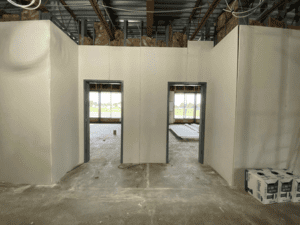
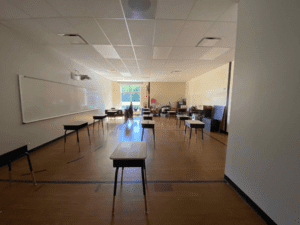
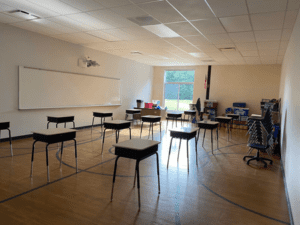
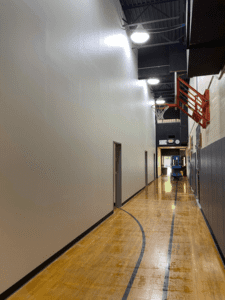
(August 20, 2020): Capital Project & School Reopening: A Safety Overview
Capital Project Phase II Construction has been moving along smoothly through the summer months and we’re happy to announce that it will continue uninterrupted with the start of the school year. We have been working with our Project Manager, Turner Construction, to create a safe and minimally disruptive plan as students begin returning to the building. We invite you to read a quick rundown of the safety procedures and precautions that the onsite contractors will follow this fall and through the upcoming year. Click to learn more.
(July 24, 2020): MS Temporary Classroom Progress and Walls Going Up in HS
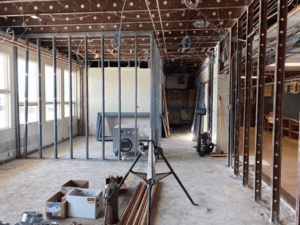
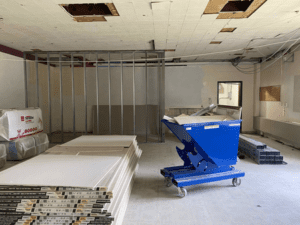
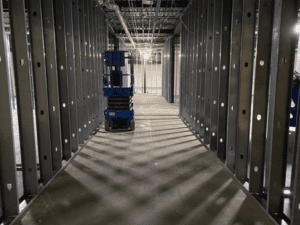
Your weekly check-in on Phase II Construction as it continued moving smoothly over at the Ichabod Crane Middle and High School. Below you’ll see a lot of the progress on our temporary classrooms that students will use during construction on particular middle school pods/wings. Over at the high school, you’ll see that wall framing is happening in the Guidance Suite and you’ll even see the framing for the darkroom walls in the back of a room in the Art Suite.
(July 16, 2020): More Progress in the MS 100 Pod and HS Guidance & Art Suites
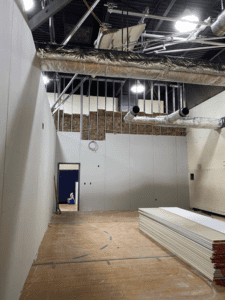
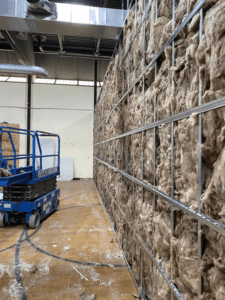
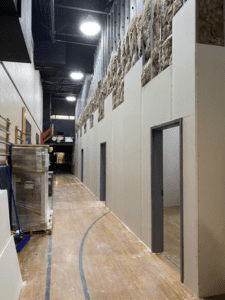
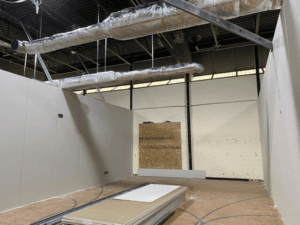
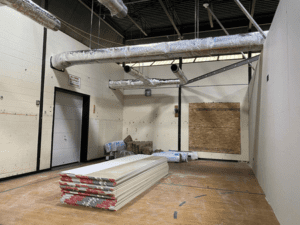
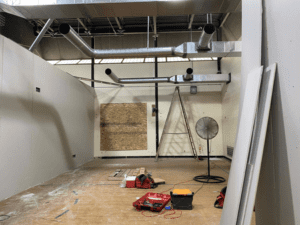
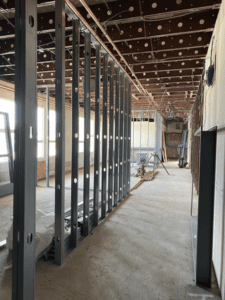
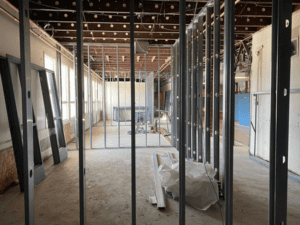
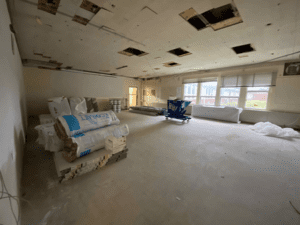
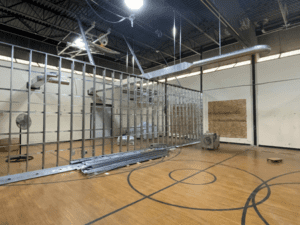
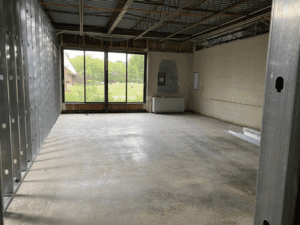
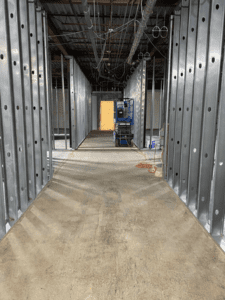
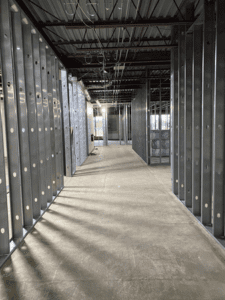
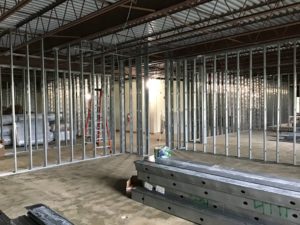
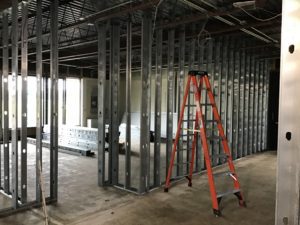
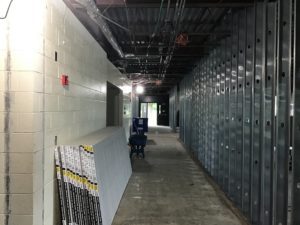
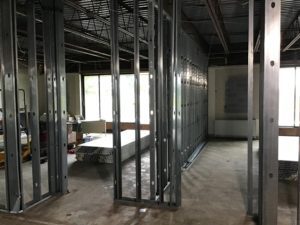
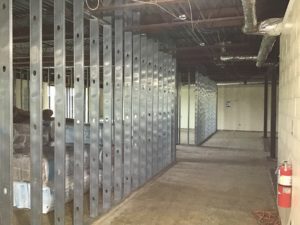
Construction in the Ichabod Crane Middle School 100 Pod and High School Guidance & Art Suites continues moving right along! More wall framing continued this past week in the Middle 100 Classroom Pod, as well as in the HS Suites. You won’t recognize some of these familiar places and rooms yet, but soon enough they’ll be better than ever!
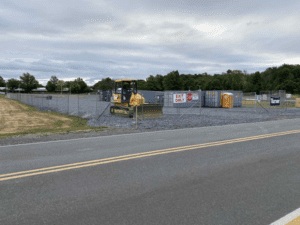
You’ll also see a view of the construction staging area near the Maintenance Building below and more of the temporary classrooms being set-up in the Middle School Gym.
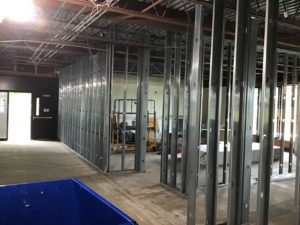
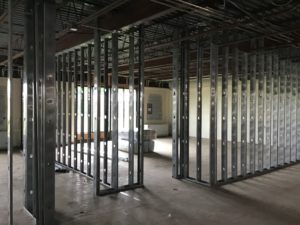
(July 9, 2020): Video & Pictures from MS 100 Pod & HS Suites
On July 8, Turner Construction’s Project Superintendent for Ichabod Crane, Christian Davila, and Ichabod Crane’s Superintendent of Schools, Suzanne Guntlow, gave us some of the latest construction updates.
There are six Prime Contractors involved in overall Phase II Construction:
- Turner Construction Company – Ichabod Crane School District Construction Manager
- Aktor Corp. – Abatement Contractor
- Bast Hatfield – General Contractor
- Clune Electric – Electrical Contractor
- Collett Mechanical – Mechanical Contractor
- Technical Building Services – Control Contractor
Our abatement contractor, Aktor Corp., broke ground for asbestos removal in the Ichabod Crane Middle School 100 Pod on June 3 and then broke ground for abatement the following day at Ichabod Crane High School’s Guidance & Art Suites.
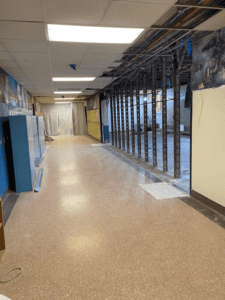
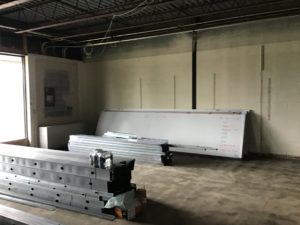
After about two weeks, Aktor wrapped up abatement in both buildings for now and our general contractor, Bast Hatfield, moved on to the selective demolition process that they are now close to completing. Selective demolition entails removing walls, ceilings, carpeting and any other existing building components needing removal based on architectural drawings. You can see several images from the selective demolition process in the Middle and High School buildings below.
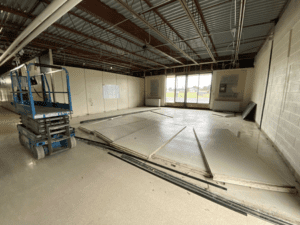
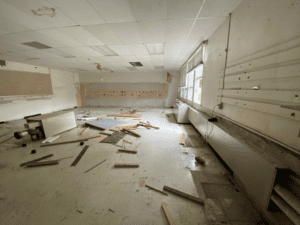
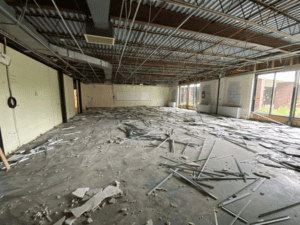
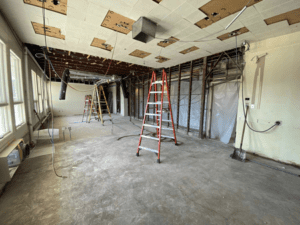
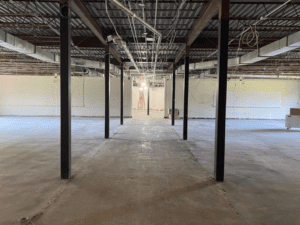
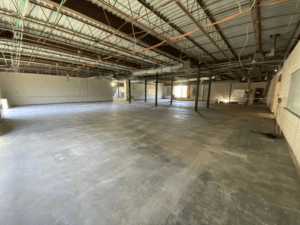
With those components removed, chalk is then being used to frame outlines of where the walls of the new classrooms and suites will go. In the Middle School 100 Pod, many walls are already starting to go up and the same will soon happen in the High School Guidance suites area. You can see some of them going up in the pictures below, as well as some of the walls for the temporary Middle School classrooms during construction.
Construction on these parts of the Capital Project is right on schedule and, in fact, our prime contractors got a small head start on the process because students were not in the buildings during June.
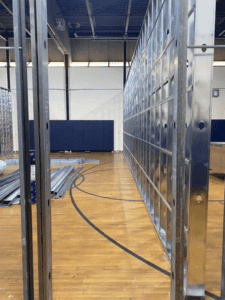
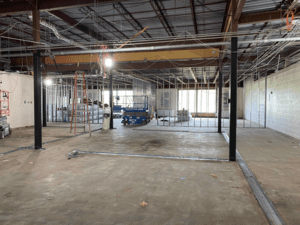
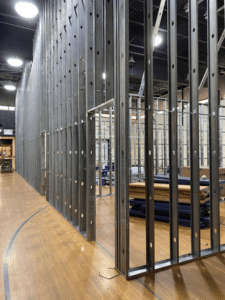
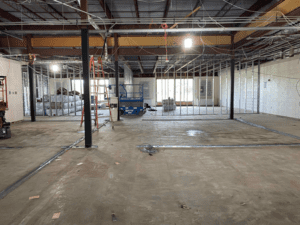
An FYI to any visitors driving through campus, you’ll see the fenced-off construction staging area located next to the Maintenance Building for the remainder of construction. This area will house construction equipment and the shared construction trailer.
To ensure everything is on track and address any issues that may come up, we’re also holding bi-weekly meetings between project architects (CSArch), construction management (Turner Construction), the district Facilities Manager, district administrators and some of our board members. These meetings will continue for the remainder of the construction.